



Choosing the right property management company is one of the most important decisions a rental property owner can make. A good property manager helps you keep your property in great condition, ensures tenants are cared for, and handles the tasks that can quickly become overwhelming. From rent collection to maintenance coordination, having the right team in place can mean the difference between steady cash flow and ongoing headaches.
At HomeRiver Group, we manage thousands of rental homes across the country and bring unmatched local expertise to every property we oversee. We operate with one goal in mind: to make owning rental property easier and more profitable for our clients. With comprehensive services, expert staff, and proven systems in place, we are proud to be one of the nation’s leading providers of property management services.
Understanding The Role Of A Property Management Company
A property management company handles the day-to-day operations of rental properties on behalf of the property owner. This includes responsibilities such as tenant screening, rent collection, maintenance coordination, and ensuring compliance with local housing laws. These services are especially valuable for owners who manage multiple properties or live far from their rental locations.
Choosing the right property management company means finding a team that not only handles tasks efficiently but also protects the long-term value of your investment. A well-managed property leads to higher tenant retention, consistent cash flow, and fewer legal issues. The goal is not just outsourcing tasks but partnering with professionals who treat your property like their own.
Understanding these responsibilities gives you a baseline for comparison as you begin to evaluate your options. Later in this article, we’ll also explain how to compare property management companies and outline the specific questions to ask property managers to ensure you’re making an informed decision.

Signs You Need Professional Property Management
Managing a rental property can be rewarding, but it also comes with time-consuming challenges. Many owners find themselves overwhelmed by maintenance requests, tenant issues, or legal complexities. If you’re unsure whether it’s time to bring in expert help, here are key indicators to consider:
You’re Struggling To Keep Up With Tenant Needs
Tenants expect timely responses to maintenance and clear communication about lease terms. If you're missing calls, delaying repairs, or managing complaints inefficiently, it may reflect poorly on your property. A professional management company ensures your tenants are supported, which boosts satisfaction and retention.
You Own Multiple Properties Or Units
As your rental portfolio grows, so do your responsibilities. Managing multiple leases, payments, and turnovers requires structure and systems that most individual landlords don’t have in place. Hiring a property management company can streamline operations and reduce your workload significantly.
You Don’t Live Near The Rental Property
Distance can make it nearly impossible to respond quickly to urgent issues or check in on your property. If you're handling everything remotely, there’s a greater risk of delays and miscommunication. A local property manager can act on your behalf, offering hands-on support your property needs.
Key Factors To Consider When Choosing A Property Manager
Not all property management companies offer the same level of service or expertise. Making the right choice means knowing what to look for before signing any agreements. Here are the most important factors to evaluate when deciding how to choose a property management company:
Experience In Your Property Type And Location
A company experienced with single-family homes may not be the best fit for a multi-unit complex. Local knowledge also matters when it comes to understanding market rates, tenant expectations, and compliance requirements. Make sure the company has a strong track record managing properties similar to yours in your specific area.
Transparent Pricing And Fee Structure
Property management fees can vary significantly depending on the services provided. Look for transparency around monthly management fees, leasing costs, maintenance charges, and any additional fees. A clear breakdown helps you compare property management companies fairly and avoid surprises later.
Reputation And Client Reviews
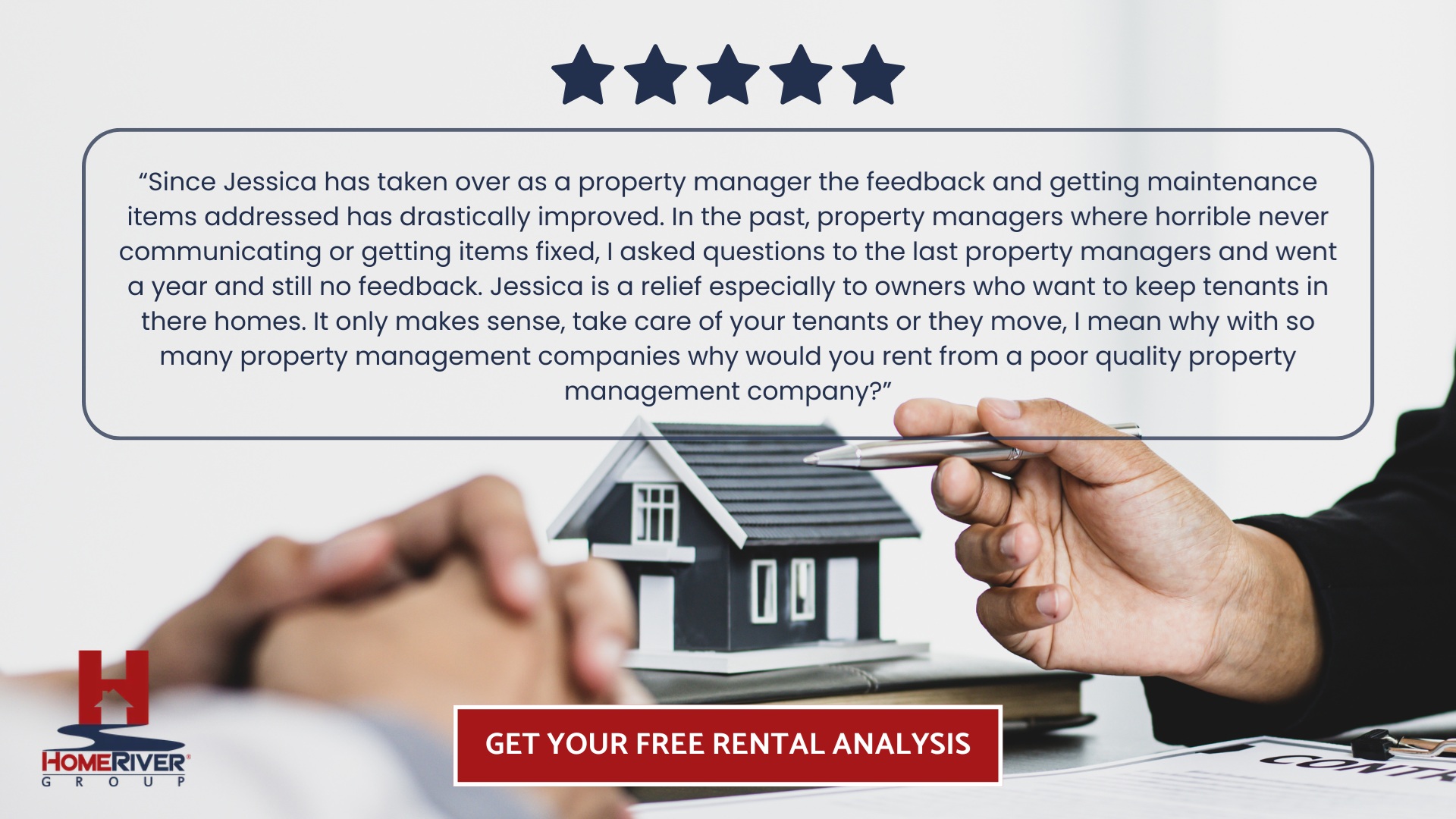
Look for testimonials, online reviews, and referrals from other property owners. A reputable company will have consistent positive feedback and be willing to provide references. Reputation reflects how well the company treats both tenants and property owners.
Top Questions To Ask Property Managers Before Hiring
Choosing a property management company is a major decision that affects your property's success and profitability. One of the best ways to evaluate potential partners is by asking the right questions during your initial conversations. Here are essential questions to ask property managers that can reveal their professionalism, approach, and reliability:
What Services Are Included In Your Management Fee?
Some companies charge a flat monthly rate, while others have tiered services or additional fees for certain tasks. Clarifying what’s included helps you avoid misunderstandings and evaluate value accurately. It's also a chance to confirm that critical services like rent collection, maintenance coordination, and lease enforcement are part of the package.
How Do You Handle Maintenance And Repairs?
Ask how maintenance requests are received, who handles the work, and whether they use in-house staff or third-party contractors. This gives insight into response times, cost control, and quality assurance. A well-organized system reduces tenant frustration and protects your property from long-term damage.
How Do You Screen And Place Tenants?
Tenant placement affects everything from rent payments to property condition. A professional manager should have a clear process for background checks, credit reports, and rental history verification. This is one of the most important questions to ask property managers to ensure you're getting qualified, responsible tenants.

How To Compare Property Management Companies The Right Way
Once you’ve gathered information from different providers, the next step is to assess which one aligns best with your goals. Learning how to compare property management companies ensures that you’re not just choosing based on price but on overall value. Here’s how to evaluate them side by side:
Review Their Service Scope In Detail
Look beyond basic management and consider what added services each company offers. Some may assist with marketing, eviction processes, or financial reporting, while others stick strictly to maintenance and rent collection. A broader range of services can provide more value in the long run.
Analyze Communication And Responsiveness
Strong communication builds trust and ensures quick resolution of issues. During your initial interactions, take note of how promptly and clearly each company responds. Poor communication during onboarding is a strong signal of what you can expect later.
Compare Cost Alongside Reputation And Reviews
Price matters, but it shouldn't be the only factor. Compare property management companies by balancing their fees against their track record, professionalism, and reliability. A slightly higher fee may be worth it if the company consistently delivers better results.
What Sets HomeRiver Group Apart In Property Management
With so many property management companies in the market, it’s important to choose one that combines national reach with local expertise. HomeRiver Group stands out by offering both scale and personalized service, backed by a network of professionals who understand the needs of property owners and tenants alike. Here’s what makes our approach different:
Comprehensive Services From Leasing To Maintenance
HomeRiver Group provides end-to-end services including tenant placement, rent collection, property maintenance, inspections, and legal compliance. We also offer expert guidance on topics like how to advertise rental property, ensuring your vacancy is seen by the right audience quickly and effectively. Our teams are trained to manage each step efficiently, so owners can focus on their investment goals.
Data-Driven Marketing And Tenant Screening
We don’t guess when it comes to finding the right tenants. Our process includes thorough background checks, credit reports, rental history verification, and data-driven marketing strategies. We also advise owners on ways to make your rental property more attractive to renters so their listings stand out in competitive markets.
Consistent Communication And Trusted Local Teams
Clients rely on us because we combine technology with a personal touch. Our local property managers are available to handle urgent issues, maintain tenant relationships, and ensure each property meets our high standards. HomeRiver Group continues to grow because we remain focused on trust, transparency, and delivering real value to property owners.
Final Thoughts
Finding the right fit isn’t about choosing the biggest name or the lowest fee. It’s about selecting a team that understands your goals, protects your investment, and treats your property and tenants with care. Taking the time to ask detailed questions and compare property management companies will help you avoid costly mistakes.
Remember to pay close attention to service quality, local experience, and responsiveness. Look for transparency in pricing and a company that offers more than just the basics. Asking the right questions to ask property managers can reveal how well they align with your expectations and standards.
At HomeRiver Group, we believe property owners deserve a trusted partner who delivers consistent results. Whether you’re just starting or expanding your rental portfolio, our team is here to support every step of the journey. Let us help you take the stress out of managing your property, while maximizing its potential.
Frequently Asked Questions About How To Choose A Property Management Company
What is the average cost of hiring a property management company?
Property management fees typically range from 8% to 12% of the monthly rental income, depending on location, services offered, and property type.
Can I switch property management companies mid-lease?
Yes, you can switch managers during a lease, but it's essential to review your existing contract to avoid early termination fees or transition issues.
Do property management companies handle evictions?
Most professional property management companies do offer eviction services, including legal filings, court appearances, and managing the turnover process.
Is it worth hiring a property manager for just one rental property?
Yes, especially if you lack time, live far from the property, or prefer professional handling of tenant relations, maintenance, and legal compliance.
Will a property manager help with rent pricing strategy?
Experienced managers conduct market analysis to set competitive rent rates, ensuring your property is priced to attract tenants without undervaluing it.
How long does it take for a property management company to find a tenant?
On average, it takes 2 to 4 weeks, depending on the market and how well the property is priced and presented. Quality marketing shortens this timeline.
Do I lose control over my property after hiring a manager?
No, you retain ownership and final decision-making power. Managers act as representatives but must follow your guidelines and approval processes.
Are property management companies licensed or regulated?
In many states, property managers must be licensed real estate professionals. Always ask for proof of licensing before signing a management agreement.
How do property managers handle late rent payments?
They typically enforce late fees, send notices, and begin formal processes if necessary. Many also offer tenant portals for easier and timely payments.
Do property managers also handle furnishing or staging?
Some offer staging services or partnerships for short-term rentals, but this varies. It’s important to ask about this if you're targeting a furnished rental market.